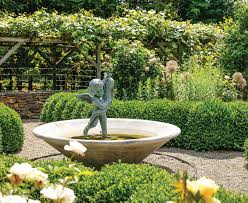
Transforming a garden into a visually captivating space requires more than just lush plants and vibrant flowers. Strategic design elements can elevate a landscape, adding personality, structure, and aesthetic interest. One of the most effective ways to achieve this is through the use of garden statues. These ornamental pieces act as focal points, guiding the eye through pathways, drawing attention to key areas, and adding an artistic or thematic element to your outdoor space. Whether placed in a formal garden, a naturalistic landscape, or a contemporary yard, statues provide a lasting visual impact that complements surrounding flora and enhances overall design.
Why Garden Statues Are Essential for Outdoor Design
Garden statues serve a dual purpose: they are decorative and functional. Beyond their aesthetic value, statues establish visual hierarchy, create interest, and provide balance to outdoor layouts. By incorporating statues, designers can emphasize entrances, frame pathways, or highlight special garden features such as ponds or flower beds.
According to landscaping surveys, 62% of homeowners consider statues and sculptural elements crucial for adding sophistication and structure to gardens. Moreover, well-chosen statues increase visitor engagement, encouraging exploration and interaction with outdoor spaces.
How to Choose the Right Garden Statue
Selecting the right statue depends on style, scale, material, and the intended impact. Large statues are ideal for open spaces where they can serve as dominant focal points, while smaller pieces are perfect for intimate corners or accentuating flower beds.
Materials are equally important. Stone, marble, and concrete offer durability and timeless elegance, while metal and resin provide modern aesthetics and flexibility for creative designs. Considerations like weather resistance, maintenance requirements, and color palette should guide your choice to ensure long-term appeal.
Popular Types of Garden Statues
Garden statues come in a wide variety of forms to suit different tastes and design objectives. Popular categories include:
- Classical Sculptures – Figures inspired by Greek, Roman, or Renaissance art, bringing elegance and historical appeal.
- Animal Figures – Birds, deer, or mythical creatures that add whimsy and dynamic character to the landscape.
- Abstract Art – Modern, geometric, or minimalist designs that complement contemporary gardens.
- Religious or Cultural Icons – Statues reflecting spiritual or cultural significance, providing a sense of harmony or tranquility.
- Custom Designs – Personalized or bespoke pieces tailored to reflect individual style and garden theme.
Each type of statue contributes uniquely to the garden, creating focal points and enhancing the visual narrative of the landscape.
How to Place Garden Statues Effectively
Proper placement maximizes the impact of statues. Positioning a statue at the center of a circular flower bed, at the end of a pathway, or near a water feature draws the eye and creates a natural point of focus.
Design experts often recommend the “rule of thirds” for placement: dividing the garden into three sections and positioning statues at intersecting points to achieve balance and proportion. Grouping smaller statues can also create thematic displays or storytelling elements, adding layers of visual interest.
Benefits of Incorporating Garden Statues
Adding statues to your garden provides several advantages:
- Visual Focal Points – Directs attention and enhances landscape structure.
- Artistic Expression – Reflects personal taste and complements overall garden design.
- Year-Round Appeal – Provides aesthetic value even when plants are out of season.
- Enhanced Property Value – Stylish outdoor décor contributes to perceived value.
- Interactive Spaces – Encourages exploration and appreciation of garden areas.
Statistics suggest that gardens with well-placed sculptural elements are perceived as more inviting, with visitors spending up to 25% more time exploring areas that feature statues or artistic accents.
Maintenance Tips for Garden Statues
Maintaining garden statues ensures longevity and preserves aesthetic appeal. Stone and concrete may require occasional cleaning to remove moss or dirt, while metal statues benefit from protective coatings to prevent rust. Lightweight or resin pieces can be repositioned seasonally to refresh garden layouts or to protect them during extreme weather.
Regular maintenance also helps integrate statues harmoniously into changing landscapes as plants grow and evolve over time.
Conclusion
Garden statues are more than decorative items—they are essential tools for creating striking focal points and enhancing outdoor aesthetics. By carefully selecting, placing, and maintaining statues, homeowners can transform gardens into visually engaging, dynamic, and stylish spaces.
Whether you prefer classical figures, whimsical animals, abstract forms, or personalized sculptures, incorporating garden statues into your landscaping strategy elevates both design and enjoyment. Their ability to guide the eye, complement greenery, and provide year-round interest makes statues an indispensable element in achieving a memorable and sophisticated outdoor environment.