
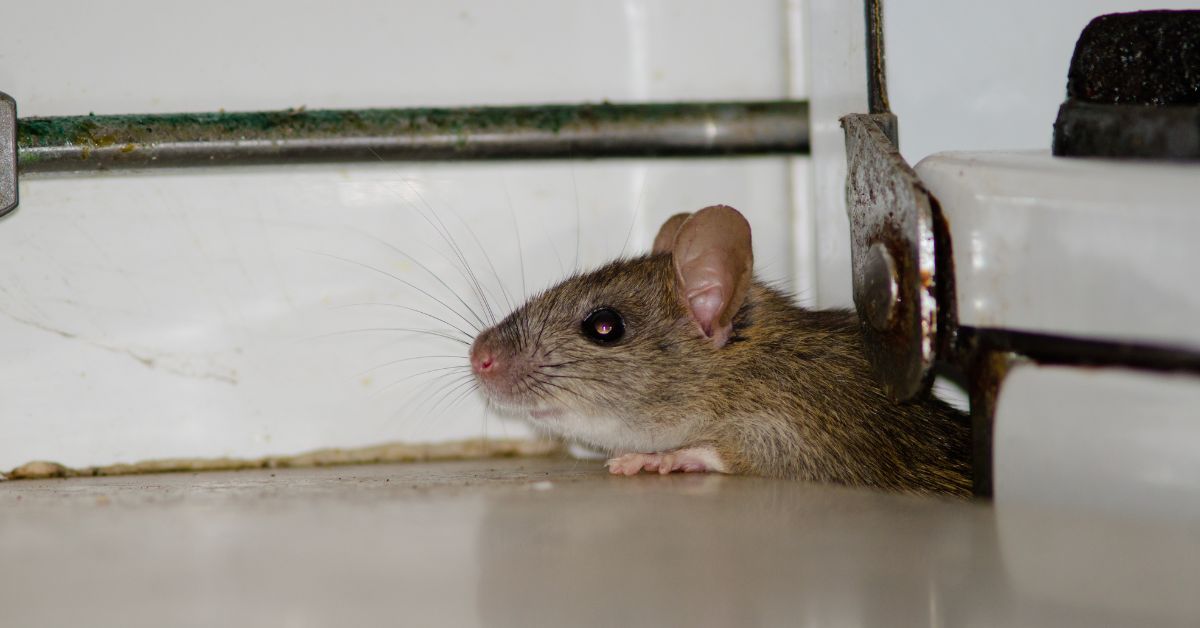
Many people assume that mice are usually a problem in older homes with worn-out siding, , or cracks in the foundation. But brand-new homes in Coppell developments are also not safe from these pests. Mice are clever and determined. They will find a way in even in newly constructed homes. homeowners can protect their investment and sanity by learning how mice get into their homes and how to handle them. If you are one of them, check out romneypestcontrol.com to learn more about the services you need to handle a mouse issue.
How Mice Sneak Into Brand-New Homes
Mice can enter homes through the following:
- Gaps around utility lines and pipes. During construction, holes are drilled in walls and foundations to run pipes and wires. If these holes are not sealed properly, they create perfect mouse-sized entry points. Even tiny gaps can be an open door for mice. A full-grown mouse can fit through a hole the size of a dime.
- Garage and door seals. New homes often have garage doors that don’t have proper weather stripping or sealing. Mice can squeeze through a small gap at the bottom or sides of the door. From there, they may enter the house through a door that leads from the garage to the inside. The same goes for exterior doors. Mice can wiggle underneath the thresholds and door sweeps.
- Vents and chimneys. Homes need airflow, so they come with built-in vents for dryers, bathrooms, and attic spaces. These are usually covered with screens or flaps to keep pests out. But these covers may be missing or loosely installed during construction. Mice can easily find their way into attics or wall cavities through open vents. Chimneys without caps or screens also provide an easy entry point for mice.
- Foundation and siding gaps. The area where the foundation meets the siding must be checked for mouse entry. Slight shifts in soil or settling can create small cracks. If siding panels are not completely flush, they might leave enough space for mice to squeeze through. These openings are often close to the ground, making them easy for mice to access without being noticed.
What Attracts Mice to New Construction Areas
Mice are constantly searching for food and water. New homes often have construction debris, leftover food from work crews, or garbage bins left outside. These items can attract mice into the area. Once a mouse finds food nearby, it will look for safe shelter. A warm, quiet space behind new walls or under flooring is a perfect spot to build a nest. If your neighbors have mice or if nearby construction is still underway, rodents will continue to explore the area.
Signs You Might Have a Mouse Problem
New homeowners often miss the early signs of a mouse problem because everything is still new and clean. But here are clues to watch for:
- Droppings. These are tiny black pellets found in drawers, pantries, or along baseboards.
- Chew marks. Mice chew through wood, plastic, or wires. Look for gnawed corners or torn packaging.
- Noises. Mice can make scratching or scurrying sounds on walls or ceilings at night.
- Nests. Mice make nests from shredded paper, insulation, or fabric. These are usually hidden in wall voids or storage areas.
Protecting Your New Home with Professional Help
Even in a new development, pest control should be part of your home maintenance plan. Romney Pest Control offers inspections and treatments for homes in Coppell. They concentrate on entry points and areas most likely to attract mice. They use safe and modern methods to get rid of rodents and help homeowners prevent future infestations.

