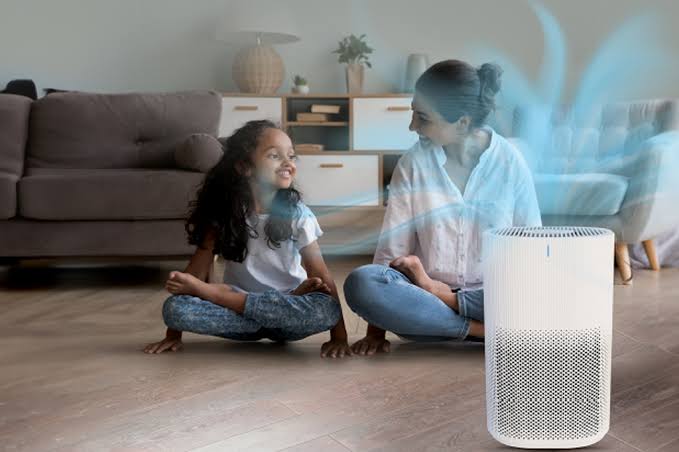
The air inside your home can have a bigger effect on everyday comfort than you might realize. Dust, pet dander, odors, excess humidity, and airborne particles can accumulate indoors, especially when ventilation is limited. Learning how to improve indoor air quality is therefore less about making your home smell fresh and more about creating a cleaner, more comfortable living environment.
A good place to start is by looking at the systems and habits that influence the air you breathe. From regular HVAC maintenance to filtration and humidity control, practical changes can make indoor spaces feel noticeably fresher. For homeowners looking for more comprehensive indoor air quality solutions, it also helps to understand which factors are affecting the air in the first place.
What Affects Indoor Air Quality?
Indoor air quality can be influenced by several sources inside and outside your home. Everyday activities such as cooking, cleaning, bathing, and using certain household products can introduce particles, moisture, or odors into the air.
Your HVAC system also plays an important role. It circulates air throughout the house, meaning dust and other airborne particles can move from one room to another if filtration and maintenance are neglected.
Common contributors to poor indoor air quality include:
- Dust and airborne particles
- Pet dander and other allergens
- Mold growth associated with excess moisture
- Household cleaning products and chemical odors
- Smoke from cooking or tobacco
- Poor ventilation
- Dirty HVAC components
- Excessive or insufficient indoor humidity
Understanding these sources makes it easier to choose solutions that address the actual problem rather than simply masking symptoms with air fresheners.
Improve Indoor Air Quality With Better Filtration
Your HVAC filter is one of the simplest places to begin. A properly selected filter can capture airborne particles as air moves through the heating and cooling system, helping reduce the amount of dust and debris that circulates indoors.
However, replacing a filter is not simply a matter of choosing the most restrictive option available. HVAC systems are designed to operate with particular airflow requirements, and an unsuitable filter can interfere with proper airflow. Check your equipment manufacturer’s recommendations and replace filters according to the system’s needs and household conditions.
Homes with pets, renovation activity, or higher levels of dust may require more frequent filter changes. A visibly dirty filter is also a clear sign that it should not be left in service.
Keep Your HVAC System Clean and Maintained
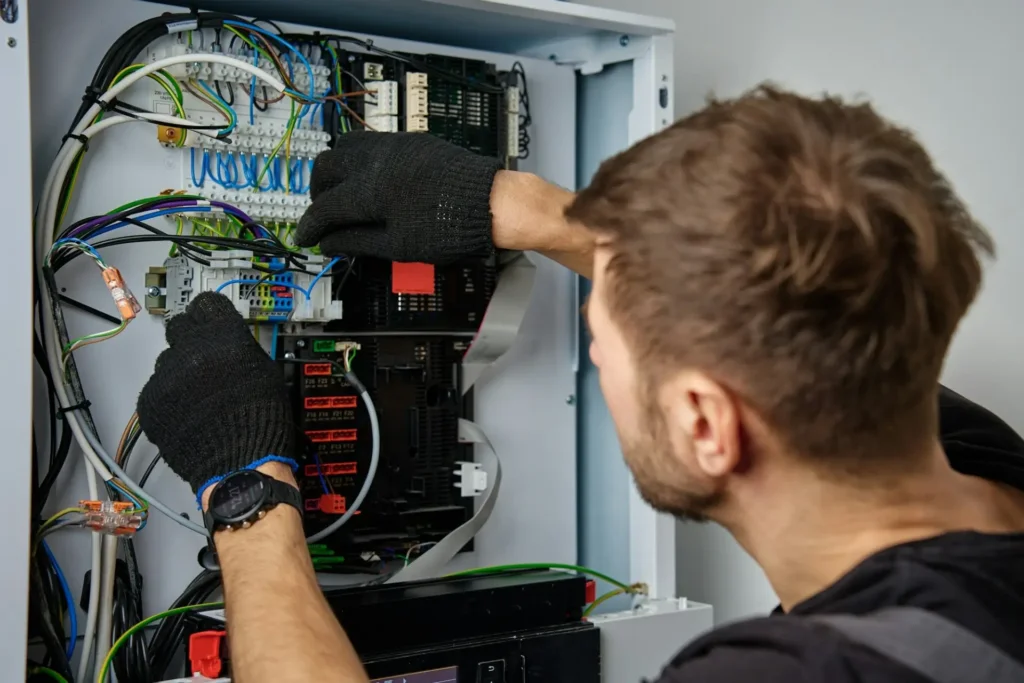
A well-maintained HVAC system does more than keep your home comfortable. Routine maintenance helps keep components operating properly and gives technicians an opportunity to identify issues that could affect airflow or indoor conditions.
Dust and debris can collect in areas such as coils, blower components, and other parts of the system. Regular professional service can help keep the equipment clean and operating efficiently while identifying potential problems before they become more disruptive.
It is also worth paying attention to unusual odors, inconsistent airflow, or excessive dust around vents. These signs do not automatically mean you have an indoor air quality problem, but they are good reasons to have the system evaluated.
Manage Humidity for a More Comfortable Home
Humidity has a close relationship with indoor comfort and air quality. Excess moisture can contribute to conditions that support mold growth, while air that is too dry can make a home feel uncomfortable and may irritate the nose, throat, or skin.
Keeping indoor humidity at a moderate level is generally the goal. The appropriate approach depends on your home’s climate, construction, HVAC system, and moisture sources.
Bathrooms and kitchens deserve particular attention because they naturally produce moisture. Using exhaust fans during and after showers, venting cooking areas properly, and addressing leaks promptly can all help control unnecessary humidity.
If ordinary ventilation does not provide enough control, a properly selected dehumidification or humidification system may be worth considering.
Increase Ventilation Where It Makes Sense
Fresh outdoor air can help dilute indoor pollutants, but ventilation needs to be handled thoughtfully. Opening windows can be useful when outdoor conditions are favorable, but it may not always be practical because of weather, outdoor pollution, humidity, or allergies.
Kitchen and bathroom exhaust fans are especially useful because they remove moisture, odors, and pollutants close to where they are generated. Make sure these fans actually vent outdoors rather than simply recirculating air.
For homes that need more consistent ventilation, mechanical ventilation equipment can provide a more controlled way to introduce and exhaust air. An HVAC professional can help determine whether this approach is appropriate for the home’s layout and existing equipment.
Don’t Ignore the Rest of the Home
Indoor air quality is not solely an HVAC issue. Cleaning habits, moisture management, and the condition of the home itself all matter.
Vacuuming regularly, reducing unnecessary dust accumulation, and washing bedding can help limit the amount of particulate matter that becomes airborne. If you have pets, grooming and cleaning their sleeping areas can also help manage dander.
When cleaning, follow product instructions and provide adequate ventilation. Avoid mixing cleaning chemicals, and consider whether strong fragrances or aerosols are necessary for the task at hand.
Moisture problems deserve prompt attention, too. A persistent leak, damp area, or condensation issue can create conditions that are difficult to solve through filtration alone. Addressing the source is usually more effective than repeatedly treating the resulting symptoms.
When Should You Consider an Air Quality Assessment?
Sometimes the reason for poor indoor air quality is not immediately obvious. If your home remains dusty despite regular cleaning, develops persistent odors, or has recurring moisture concerns, a professional assessment can help identify possible causes.
An evaluation may consider the HVAC system, filtration, ventilation, humidity, and other conditions within the home. This approach is useful because there is no single air-cleaning product that solves every indoor air quality concern.
The best solution depends on what is actually happening in the space. A home with excessive humidity may need a different approach from one primarily affected by airborne particles or inadequate ventilation.
Common Mistakes to Avoid
Improving indoor air quality does not necessarily require buying multiple products. In fact, a few common mistakes can make the process less effective.
One is relying on fragrance products to cover persistent odors. If an unpleasant smell keeps returning, identifying its source is more useful than masking it. Another mistake is installing equipment without considering the home’s HVAC capacity, airflow, or actual air quality needs.
Neglecting basic maintenance can also undermine more advanced solutions. Clean filters, appropriate ventilation, moisture control, and regular HVAC service provide an important foundation.
A Practical Approach to Cleaner Indoor Air
Start with the basics before making major changes. Check your HVAC filter, look for visible moisture problems, make sure kitchen and bathroom exhaust fans work properly, and pay attention to unusual odors or excessive dust.
From there, consider whether your home needs better filtration, humidity control, ventilation, or another targeted solution. Taking this step-by-step approach can help you spend money where it matters instead of treating every indoor air concern as the same problem.
Conclusion
Improving indoor air quality starts with taking a closer look at the conditions inside your home and identifying the factors that may be affecting the air you breathe. Dust, pet dander, excess moisture, odors, inadequate ventilation, and poorly maintained HVAC equipment can all contribute to an uncomfortable indoor environment. Simple measures such as replacing HVAC filters, maintaining heating and cooling equipment, using exhaust fans, controlling humidity, and keeping living spaces clean can provide an effective foundation for cleaner indoor air.
For homeowners dealing with persistent air quality concerns, the right approach is to address the underlying source rather than simply masking odors or adding unnecessary products. A professional HVAC assessment can help determine whether your home would benefit from improved filtration, humidity control, ventilation, or other targeted indoor air quality solutions. By combining everyday habits with appropriate HVAC improvements, you can create a fresher, more comfortable home environment year-round.